
Skin cancer screening: why the annual check-up matters
Skin cancer is very treatable when caught early. What happens during the screening examination and how often it makes sense.
Skin cancer is one of the most common cancers – and one of those with the best chances of recovery when it is detected in time. This is exactly where the screening examination comes in.
Why the naked eye isn't enough
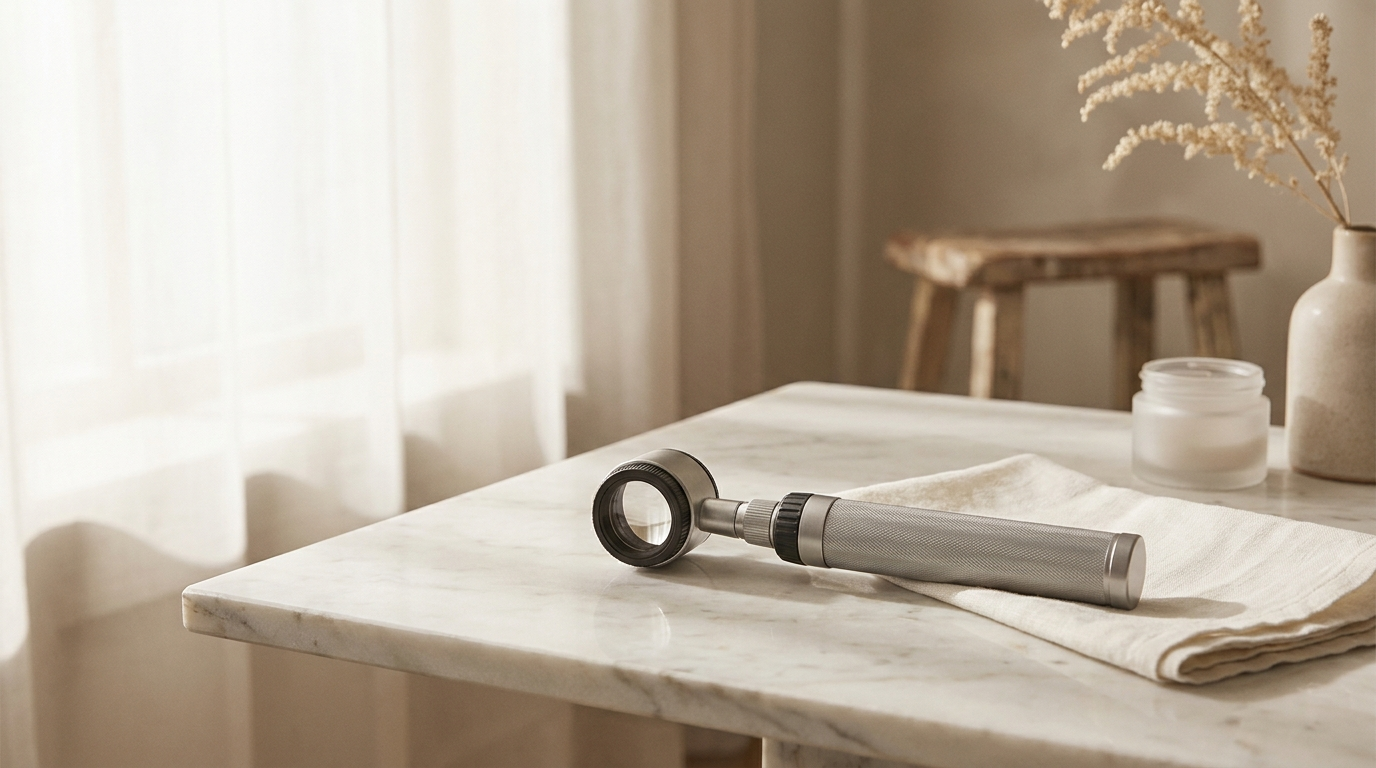
Early forms of skin cancer often look deceptively similar to harmless moles. Only magnification with the dermoscope makes structures visible that indicate a change. That is why self-examination does not replace the specialist examination – it complements it.
How the examination works
We look at your skin systematically from head to toe, including the scalp, back, soles of the feet and between the toes. Conspicuous moles are assessed with the dermoscope and documented digitally if needed, so they can be compared next year. The examination takes about 20 to 30 minutes and is painless.
How often does a check make sense?
For most adults an annual appointment is enough. We recommend a check more often with:
- many or conspicuous moles
- a fair skin type that burns quickly in the sun
- sunburns in childhood or regular use of tanning beds
- skin cancer in the family
- previously treated skin cancer
When you should not wait for the appointment
Have a mole looked at promptly if it changes in size, shape or colour, has an irregular border, itches, bleeds or is new and looks different from your other moles.
What you can do yourself
Consistent sun protection is the most effective prevention: a high SPF, shade at midday, no tanning beds. Look over your skin calmly once a month – ideally with a hand mirror for hard-to-see areas.