
PRP treatment: what's behind autologous blood therapy
Platelet-rich plasma from your own blood – how the preparation works and where the method is used.
In PRP treatment, a component of your own blood is used for skin regeneration. The appeal of the method: no foreign substance is used.
What PRP means
PRP stands for platelet-rich plasma. Platelets contain growth factors that play a central role in wound healing. This is exactly the fraction that is concentrated and introduced into the skin.
Procedure
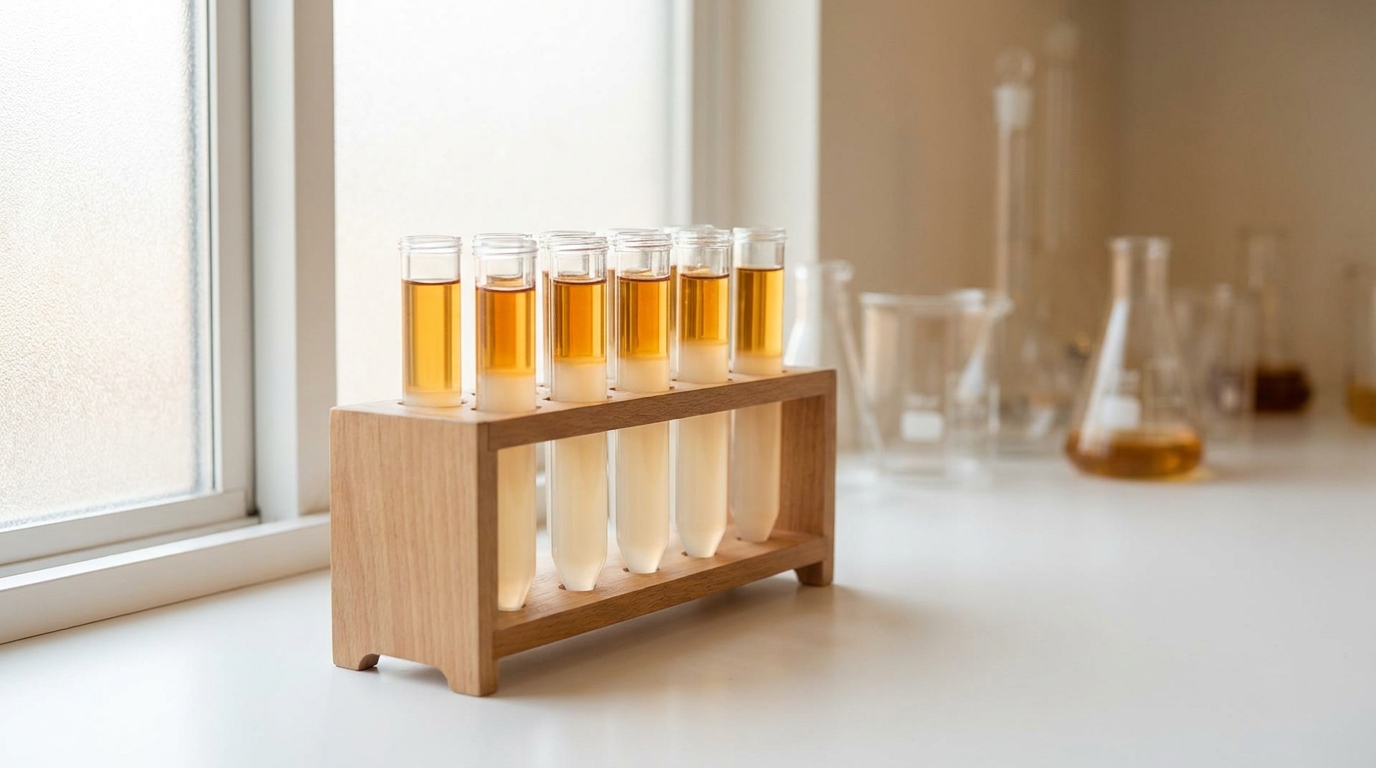
After a small blood draw, the blood is centrifuged for about ten minutes until the platelet-rich plasma has separated out. During this time we prepare the skin. The plasma is then introduced with fine needles – often combined with microneedling. The appointment takes about 45 to 60 minutes in total.
Areas of use
- refreshing the complexion on the face, neck and décolleté
- fine lines and declining firmness
- as support for certain forms of hair loss
Afterwards
Mild redness and swelling usually subside within one to two days. On the day of treatment you should avoid sport, sauna and make-up. Usually three sessions four to six weeks apart are recommended.
Realistic expectations
PRP improves skin quality and freshness. It does not replace a lift and does not create new volume. Those who expect that will be disappointed – those looking for a natural refresh are in good hands.
When it is not carried out
The treatment is not suitable with blood and clotting disorders, while taking blood thinners, or during pregnancy and breastfeeding.